Money
Botswana is expensive on purpose
That is a policy choice rather than a market accident, and understanding it makes the price a good deal easier to plan around.
| Per person per night | What it buys |
|---|---|
| US$800 – 1,200 | Established camps in genuinely good locations, a private vehicle throughout, light-aircraft hops between parks rather than long road transfers, and guiding that is a profession rather than a job. The entry point to a safari that does not compromise. |
| US$1,200 – 1,800 | Camps on private land, where the rules change: off-road driving to a sighting, night drives, walking with an armed guide, and a cap on how many vehicles may attend anything. Usually the point at which people stop comparing safaris on price. |
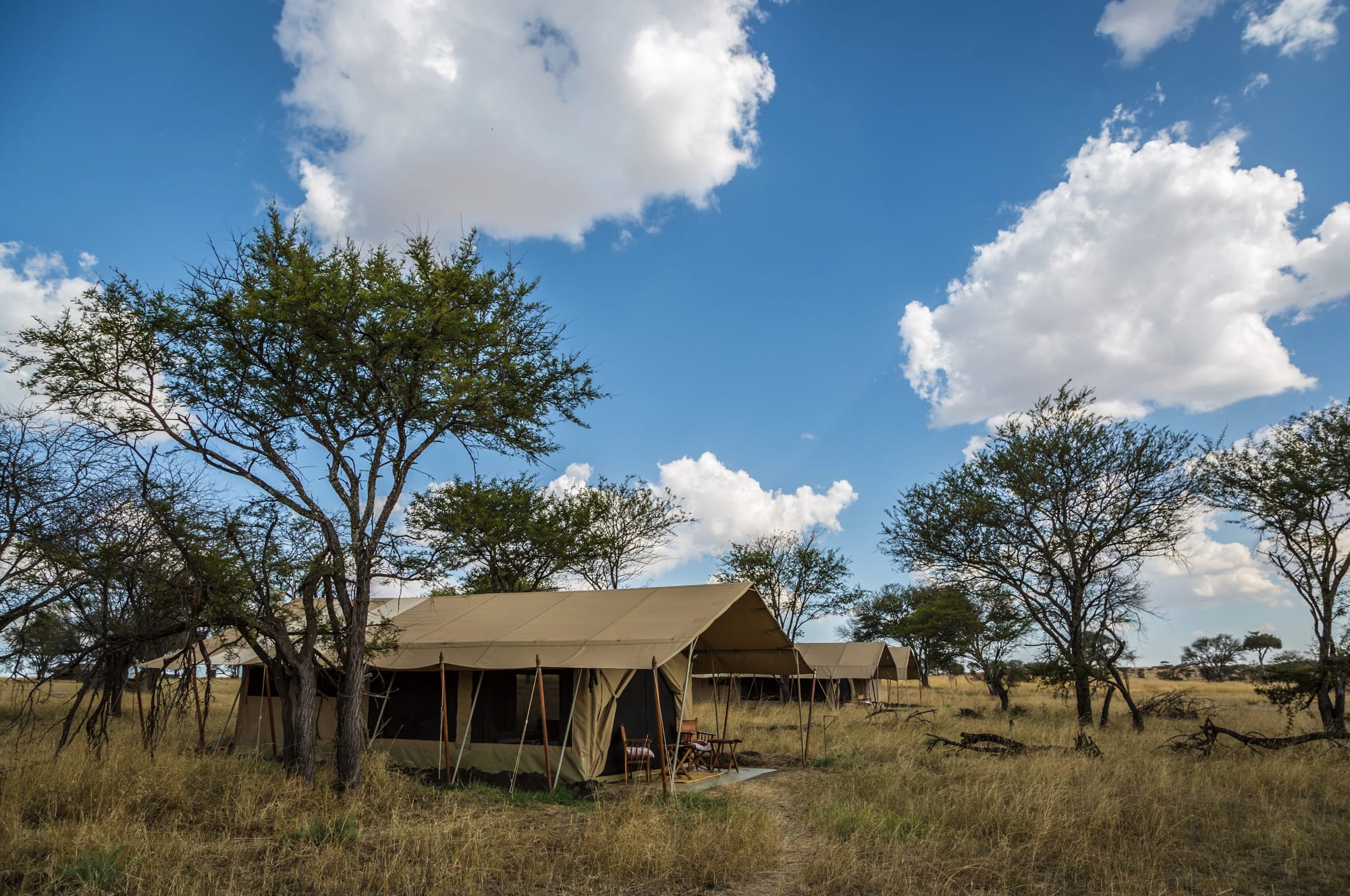
| US$1,800 – 2,500 | The camps people name when they get home. Six to ten tents, an owner or manager who is present, a guide assigned to you for the stay, and food that would hold its own in a city. |
| US$2,500 – 4,000 | A guide who travels with you from park to park rather than being handed over at each one, private charters on your own schedule, and small camps taken whole for your party. |
| US$4,000 and up | Exclusive-use houses and villas with their own staff, mobile expedition camps built for your route, and private aircraft between countries. Bought for privacy and control rather than for thread count. |
Indicative planning ranges only, per person per night sharing, for a fully inclusive safari — accommodation, meals, park and conservancy fees, guiding, and transport between parks. They are what we see in the market, not a quote and not an official tariff. Your quote will be exact and itemised. International flights are not included.
Botswana sits high in these bands almost everywhere, and there is very little at the bottom of them. That is deliberate — the country has pursued a high-value, low-volume approach to tourism for a long time, and the effect is fewer beds on more land at higher rates.
What sits on top of the bed
- Light aircraft legs, per person per move, and almost every move here is one.
- Park and concession fees, charged per person per day, sometimes inside a camp rate and sometimes not.
- Premium drinks and some activities, which vary by camp more than people expect.
- Transfers and a first or last night near an airport, where a schedule does not line up.
The three structural savings
Move the dates. The shoulder months either side of peak carry most of the benefit — decent water, concentrating game, thinner traffic — at meaningfully lower rates. This is the largest lever available in Botswana and it does not touch the quality of the trip.
Remove a region. Two regions properly beats three in a hurry, and it removes a flight and a half-eaten day.
Consider the green season seriously, particularly for the Kalahari and the pans, which are at their best when the rest of the country is at its quietest and its cheapest.
Where not to economise
On nights per camp. Two-night stays are how an expensive Botswana trip becomes a series of arrivals, and they waste the flight that got you there.
And not on the land. A cheaper camp on public land under statutory rules is a different product from a concession camp, not a discounted version of one.
What we itemise
Beds, park and concession fees, every flight leg, transfers and any charter, separately. Botswana totals are dominated by the flying more than most destinations, which is exactly why it should not be folded into a per-night figure.
Ready to turn this into a real itinerary?
Send us your dates, who is travelling and roughly what you want to spend per person per night. Our Botswana specialist comes back within 24 hours with a plan built around them and a costed quote.